
Progress on gender representation in senior leadership is real but slower than the headlines suggest. Understanding what has genuinely changed, and what has not, matters if you are navigating these barriers yourself, or responsible for removing them in your organisation.
What Has Changed
The representation of women at board level in the UK has improved significantly over the past decade. The FTSE 350 has made measurable progress, partly driven by voluntary targets and partly by genuine cultural shifts in governance expectations. Female representation on FTSE 350 boards exceeded 40% in 2023 and has continued to grow.
The pipeline at manager and director level is more evenly distributed than it was a generation ago. Many organisations have made genuine progress in recruiting, developing, and promoting women through the first and second tiers of management.
The cultural conversation has shifted. The explicit barriers, the assumptions that were once stated openly, are now generally recognised as unacceptable. That matters, even if the implicit barriers remain.
What Has Not Changed
The senior executive pipeline below board level tells a different story. Women remain significantly underrepresented at the Chief Executive, Chief Operating Officer, and equivalent executive committee levels in most UK sectors. The board numbers look better partly because of deliberate effort at board level, but the CEO and ExCo pipelines feeding those boards have not kept pace.
The specific barriers that remain are largely structural and cultural rather than explicit. They include: informal networking structures that still favour men; sponsorship patterns where senior (predominantly male) leaders sponsor in their own image; performance evaluation systems that penalise the leadership styles more commonly exhibited by women; and the disproportionate career penalty that caring responsibilities still impose on women rather than men.
The “double bind”, the situation in which assertive women are penalised for the very behaviours that assertive men are rewarded for, has been documented in research for decades and has not meaningfully shifted.
What Coaching Offers
Coaching cannot fix systemic barriers. It is not a substitute for organisational change. But it can make a real difference in the lives and careers of the women navigating those barriers right now.
Peter works with women leaders on: understanding how they are perceived versus how they intend to be perceived; navigating organisational politics in ways that advance their goals without compromising their values; developing the specific capabilities that organisations at senior level reward; and making practical decisions about where to invest their energy and where to disengage.
He also works with organisations on identifying and addressing the structural and cultural barriers that limit the progression of their female talent, not through diversity training that changes attitudes without changing systems, but through coaching that changes both.
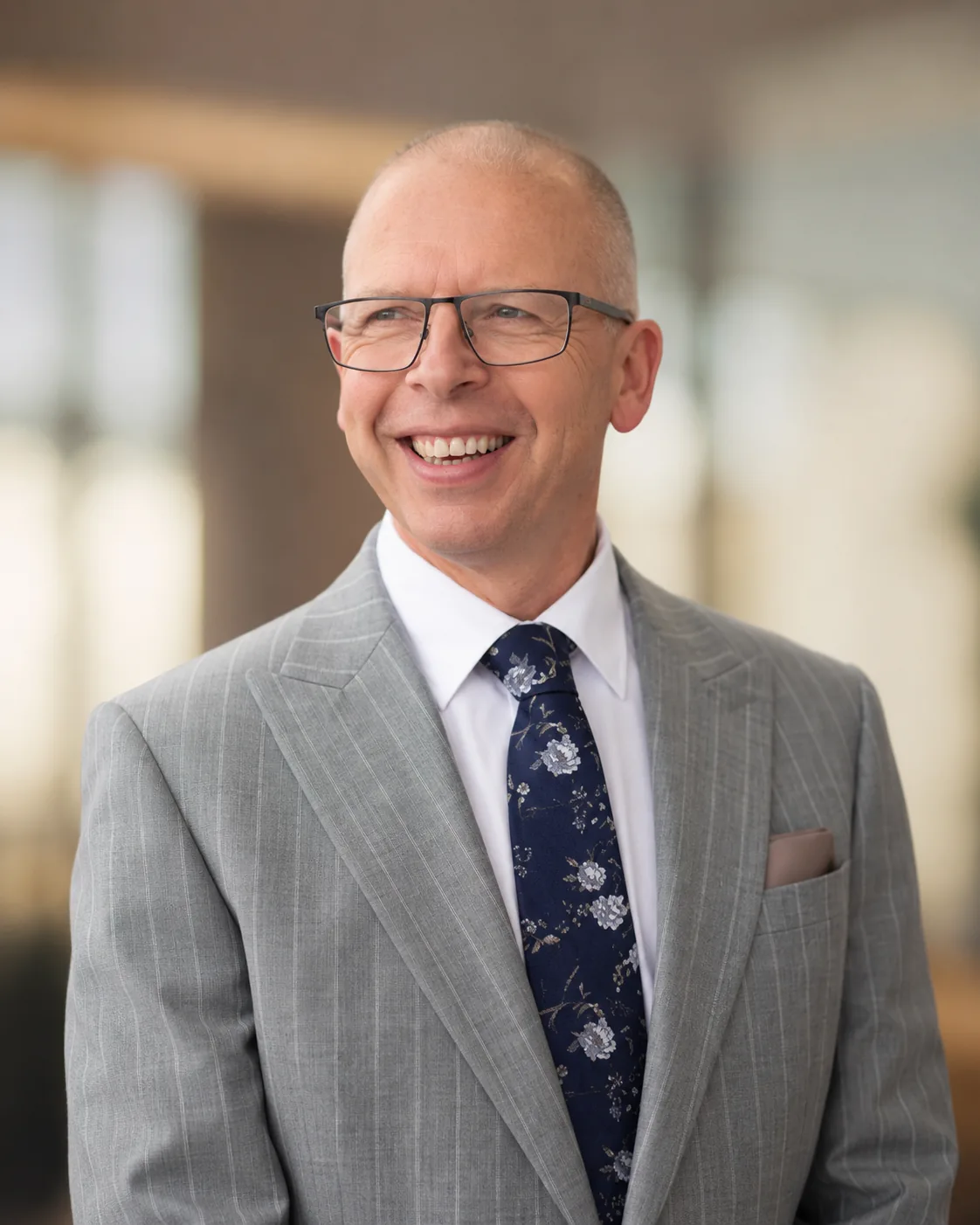
Peter Craen is an executive coach and mentor based in Burgess Hill, West Sussex. He brings 40 years of real business experience across financial services, health, energy, and more. He holds a Six Sigma Master Black Belt, was named Coach of the Year at Zurich Financial Services in 2005, and is completing his ILM Level 7 in Executive Coaching and Mentoring.
Peter's Full Story