
The GROW model is probably the most widely used coaching framework in the world. Its simplicity makes it look easy. In practice, using it well requires skill, experience, and the kind of deep listening that takes years to develop.
What GROW Stands For
GROW is an acronym:
- G. Goal: What do you want to achieve? What would success look like?
- R. Reality: What is actually happening right now? Where are you starting from?
- O. Options: What could you do? What possibilities have you not yet considered?
- W. Will (or Way Forward): What will you do? What is your commitment, and when?
Developed in the 1980s and popularised by Sir John Whitmore in his book Coaching for Performance, the model has become standard in executive coaching training programmes worldwide, including the ILM Level 7 qualification that Peter is completing.
Why It Works
GROW works because it imposes discipline on what would otherwise be an unstructured conversation. Without a framework, coaching conversations can meander: they feel supportive but do not produce clarity or commitment. GROW ensures that each conversation moves through a logical progression, from where the client wants to go, to where they actually are, to what they could do, to what they will do.
The sequence matters. Many people try to jump straight to options (“what should I do?”) without getting sufficiently clear on their goal or honest about their current reality. That is why coaching conversations that skip the G and R stages often produce action plans that do not stick, the client is solving the wrong problem, or solving the right problem from a distorted starting point.
Where Coaches Go Wrong With It
The most common misuse of GROW is treating it as a checklist rather than a framework. A coach who asks a ‘Goal’ question, then a ‘Reality’ question, then an ‘Options’ question, and then a ‘Will’ question has followed the structure but missed the point.
Good coaching is iterative, not linear. A conversation might cycle back from Options to Reality when a new piece of information changes the picture. It might revisit the Goal entirely when the exploration of Reality reveals that what the client said they wanted is not actually what they want. The framework guides the conversation, it does not script it.
Peter uses GROW as a scaffold for coaching conversations, not a recipe. The skill is in knowing when to follow the sequence and when to deviate from it in service of what the client actually needs.
An Example in Practice
A client comes to a session saying they want to apply for a promotion they have been passed over for twice before.
A clumsy GROW approach would set that as the Goal and start generating Options immediately. A skilled approach might spend significant time on Reality first: what happened in the previous two promotion rounds? What feedback was given, and what does the client actually believe about that feedback? What is their honest assessment of the gap between where they are and where the role requires them to be?
In that Reality conversation, something different often emerges: the client is not sure they actually want this promotion, or the feedback they received points to a specific development need that applying again will not address, or the promotion is in an organisation they are planning to leave within 18 months.
The Goal that looked clear at the start of the conversation turns out to be more complex. Getting that clarity early, through good Reality work, saves the client from pursuing the wrong objective.
Beyond GROW
GROW is a powerful framework but not the only one. Skilled executive coaches draw on multiple models depending on the client and the challenge: systemic coaching approaches, behavioural frameworks, psychometric tools, mindfulness-based approaches, and others. The framework should serve the client, not the other way around.
Peter's approach to coaching is grounded in GROW but not limited to it. With 40 years of commercial leadership experience informing his coaching practice, he brings a flexibility to methodology that pure theory cannot replicate.
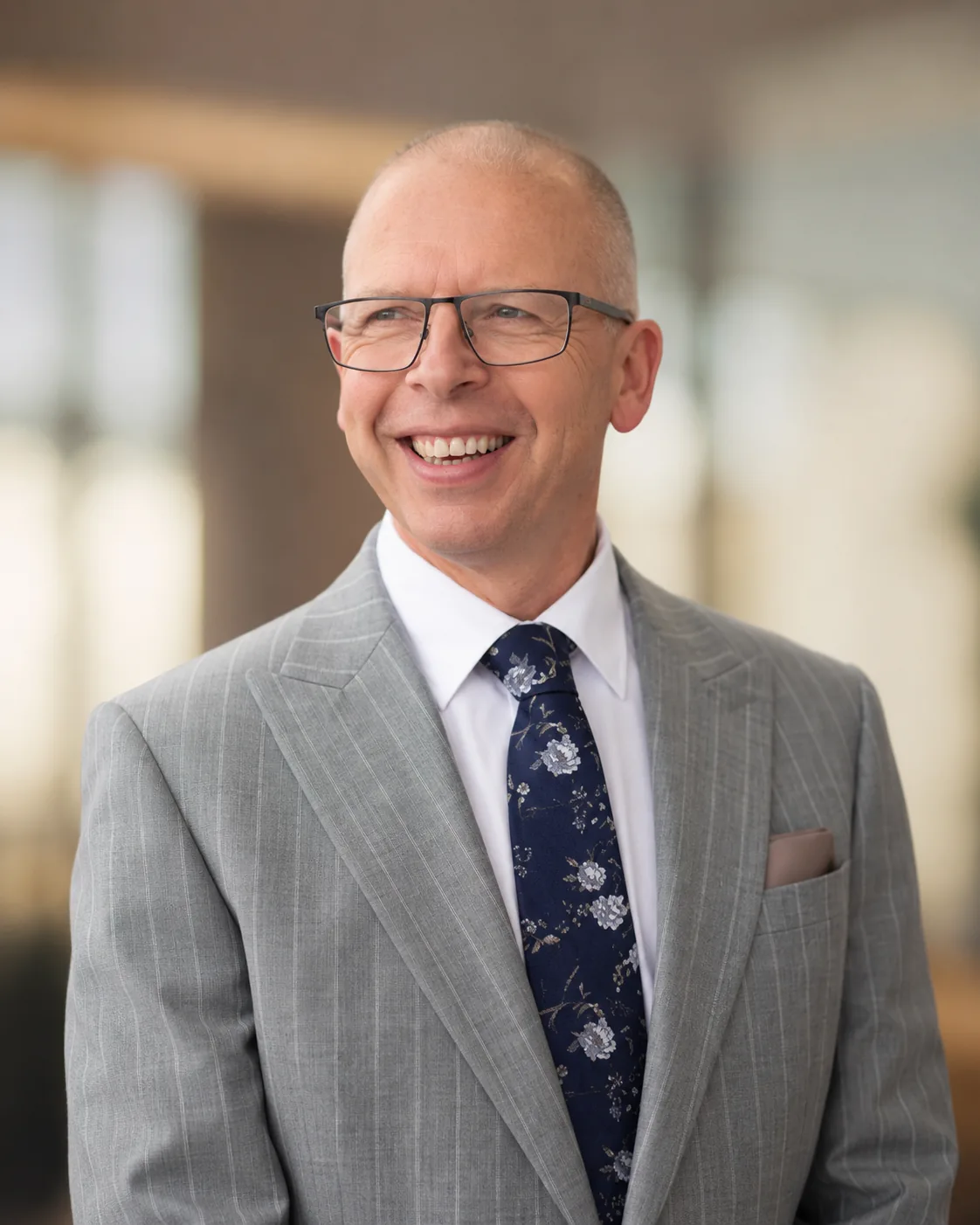
Peter Craen is an executive coach and mentor based in Burgess Hill, West Sussex. He brings 40 years of real business experience across financial services, health, energy, and more. He holds a Six Sigma Master Black Belt, was named Coach of the Year at Zurich Financial Services in 2005, and is completing his ILM Level 7 in Executive Coaching and Mentoring.
Peter's Full Story